Writer: Melissa Ramus
Photographer: Rashad Griffin Sr.
The Bill Pickett Invitational Rodeo (BPIR) held on July 21-22, 2024, in Los Angeles, California, epitomized the spirit of African American cowboy heritage through its rich presentation of rodeo sports, cultural festivities, and community engagement. Named after the legendary cowboy Bill Pickett, who is credited with inventing the sport of bulldogging, the rodeo stands not only as a competitive event but as a vibrant celebration of African American contributions to the American frontier history. This essay provides a comprehensive review of the two-day event, analyzing its cultural, social, and economic dimensions.
Before examining the specifics of the 2024 event, it is essential to understand the BPIR’s origins and its cultural significance. Founded in 1984 by Lu Vason as a platform to recognize the overlooked contributions of Black cowboys and cowgirls in the rodeo and Western heritage, the BPIR has grown from a small community event into a national tour covering several major cities. This rodeo serves as more than just a sporting event; it is a correction of historical oversight, celebrating figures like Bill Pickett, a Black cowboy who revolutionized rodeo practices yet was largely omitted from many historical accounts.
Los Angeles, a city more often associated with Hollywood and expansive beaches than with rodeo culture, provided an intriguing backdrop for the BPIR. The choice of location highlighted the rodeo’s mission to engage diverse communities with the rich lineage of Black cowboys. Notably, the event drew large crowds, indicating an increasing awareness and appreciation of rodeo in urban settings. From a socioeconomic perspective, the BPIR also significantly impacted the local economy through tourism, hospitality, and retail.
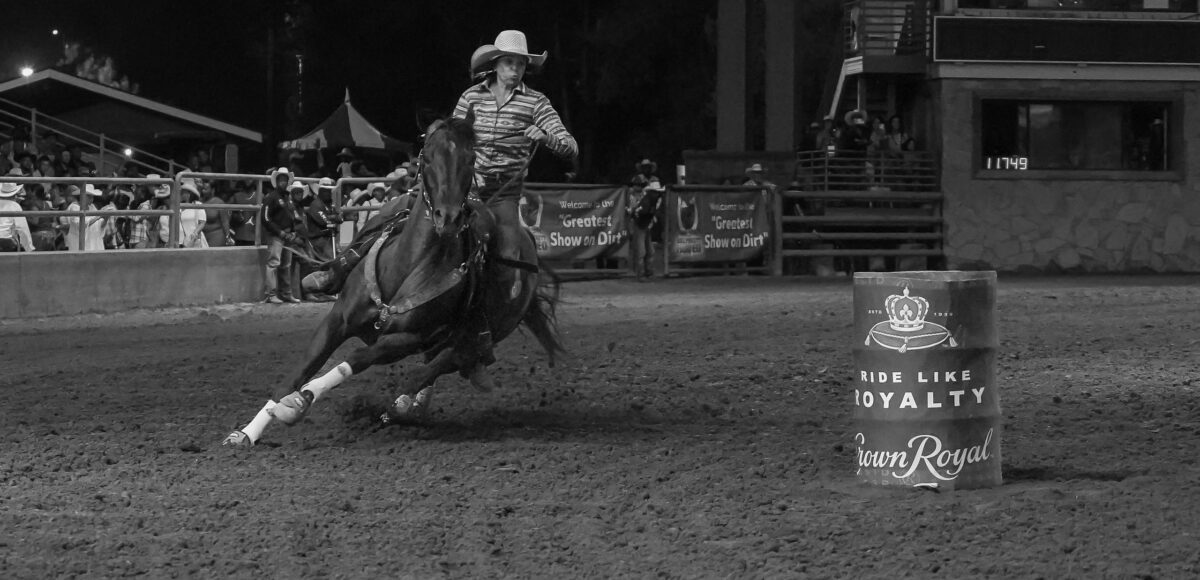
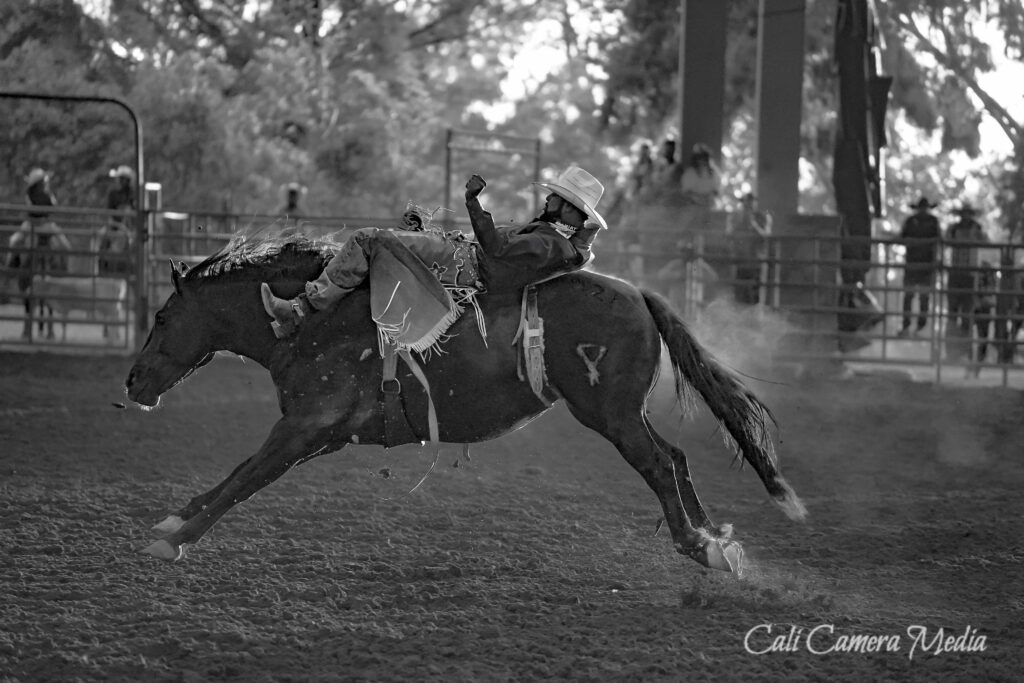
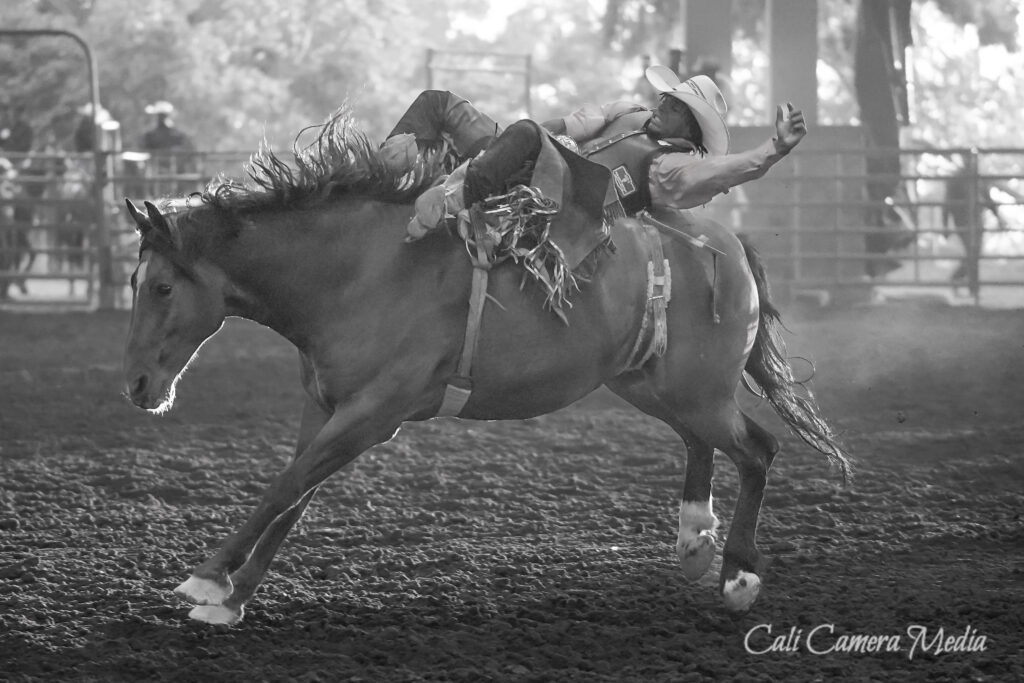
The 2024 BPIR showcased a range of rodeo sports including bull riding, barrel racing, tie-down roping, and the storied steer wrestling, an homage to Bill Pickett himself. Each event was a display of skill, courage, and the deep bond between rider and animal. Moreover, the inclusion of junior rodeos provided a platform for young emerging talents, emphasizing the rodeo’s role in nurturing future generations. Steer wrestling, particularly poignant given its connection to Bill Pickett, was a highlight. Competitors demonstrated not just physical strength and technique but also a profound respect for the sport’s historical roots. The audience’s reaction to these performances underscored the cultural resonance of preserving and honoring African American narratives within the context of the American West.
Beyond the arena, the BPIR enriched its cultural fabric with exhibitions on Black Western heritage, live music, traditional foods, and crafts. These activities deepened the attendees’ understanding of the historical and cultural contexts of Black rodeo. Panel discussions and storytelling sessions by descendants of Black cowboys provided personal insight and connected the past with the present.
A crucial component of the BPIR was its focus on education and community involvement. The rodeo collaborated with local schools to educate students about the historical achievements and current contributions of Black cowboys and cowgirls. This educational outreach, coupled with youth participation in rodeo events, played a pivotal role in fostering a new generation’s interest in this unique aspect of American history. Moreover, community engagement initiatives, such as ticket donations to underprivileged groups and workshops on rodeo careers, emphasized the BPIR’s commitment to inclusivity and community development.
The 2024 Bill Pickett Invitational Rodeo in Los Angeles served not just as a display of exceptional rodeo skills but as a profound cultural event that celebrated, educated, and inspired. It stood as a reminder of the dynamic history and ongoing contributions of Black cowboys and cowgirls to the tapestry of American culture. By blending sportsmanship with cultural education and community involvement, the BPIR not only honored the legacy of figures like Bill Pickett but also paved the way for a more inclusive understanding of American heritage. As such, the event was a resounding success, marking another milestone in the journey towards recognizing and appreciating the depth and diversity of the American rodeo and its practitioners.