Writer: Melissa Ramus
Photographer: Rashad Griffin Sr.
CORONADO, Calif. — June 19–21, 2026 — When NASCAR arrived on Coronado Island for a major weekend of racing in San Diego, much of the attention centered on the drivers, race cars and unique course at Naval Air Station North Island.
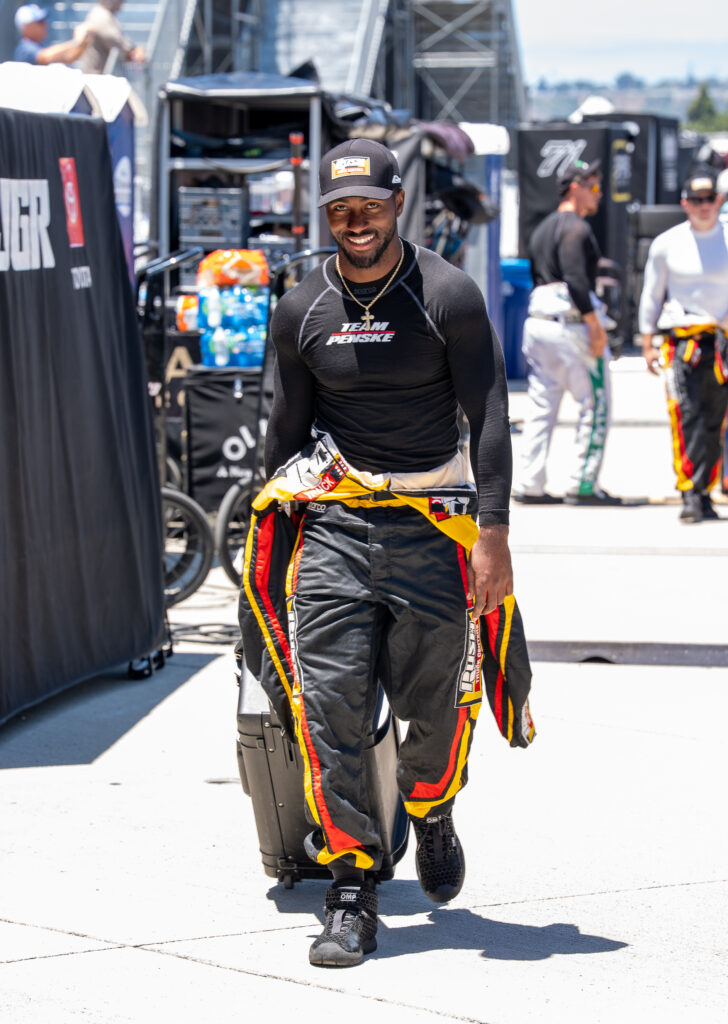
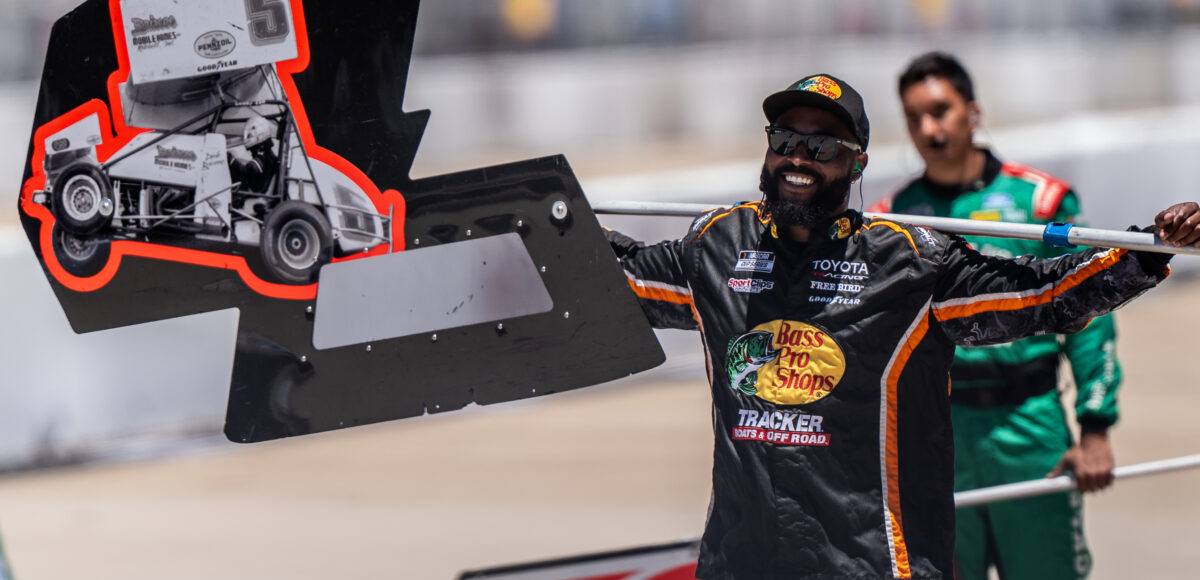
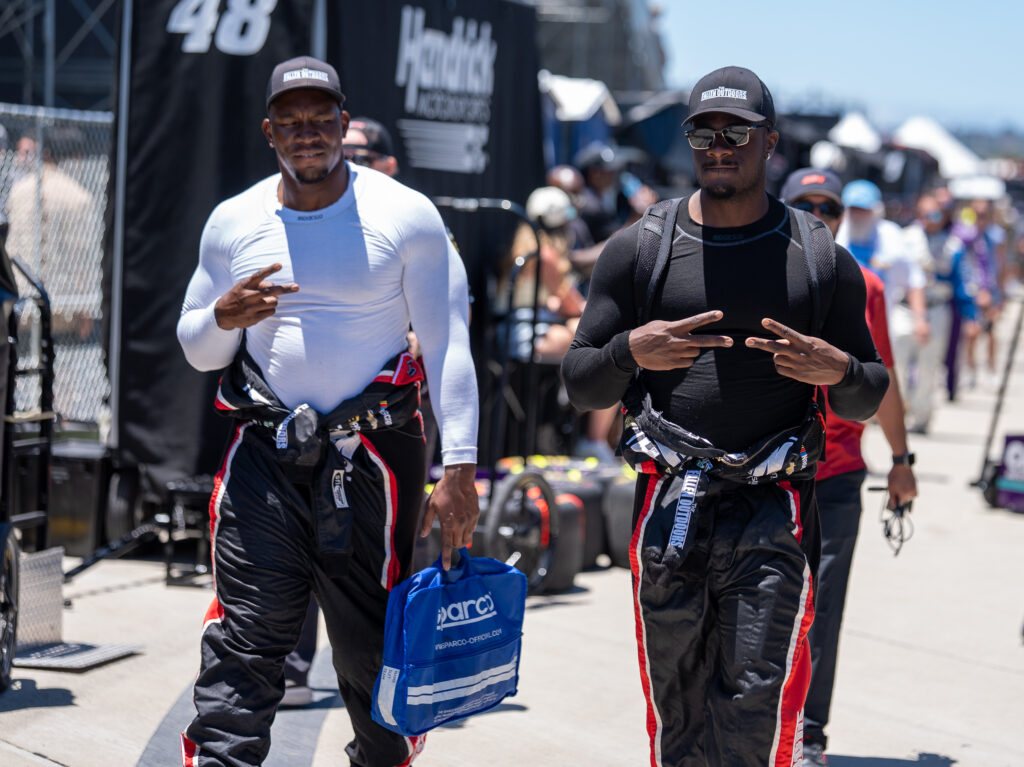
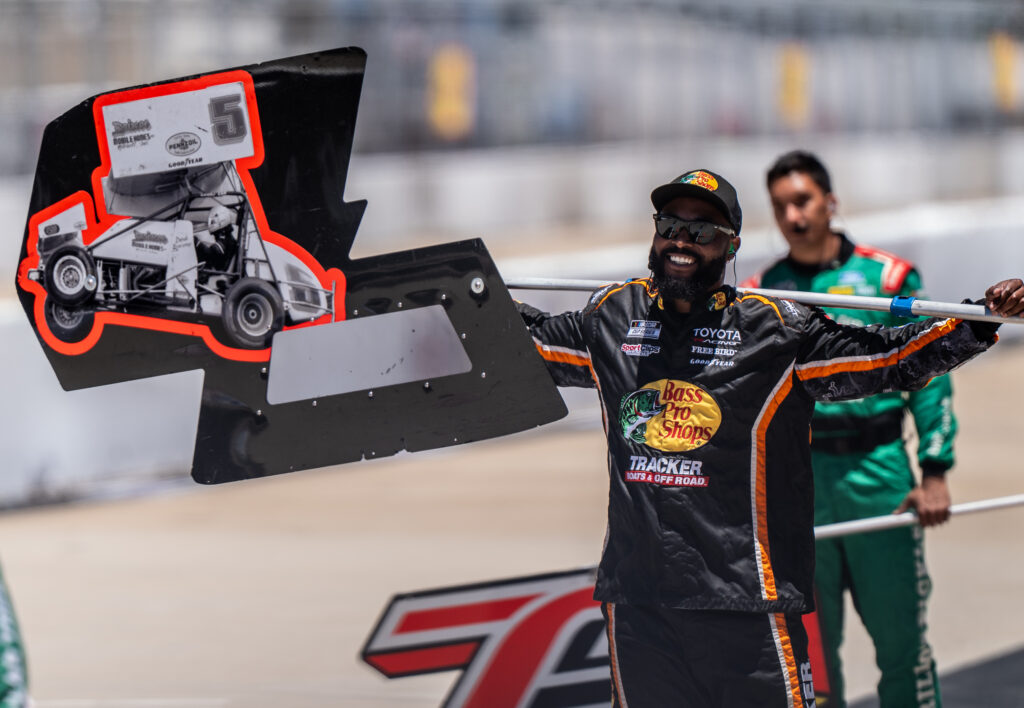
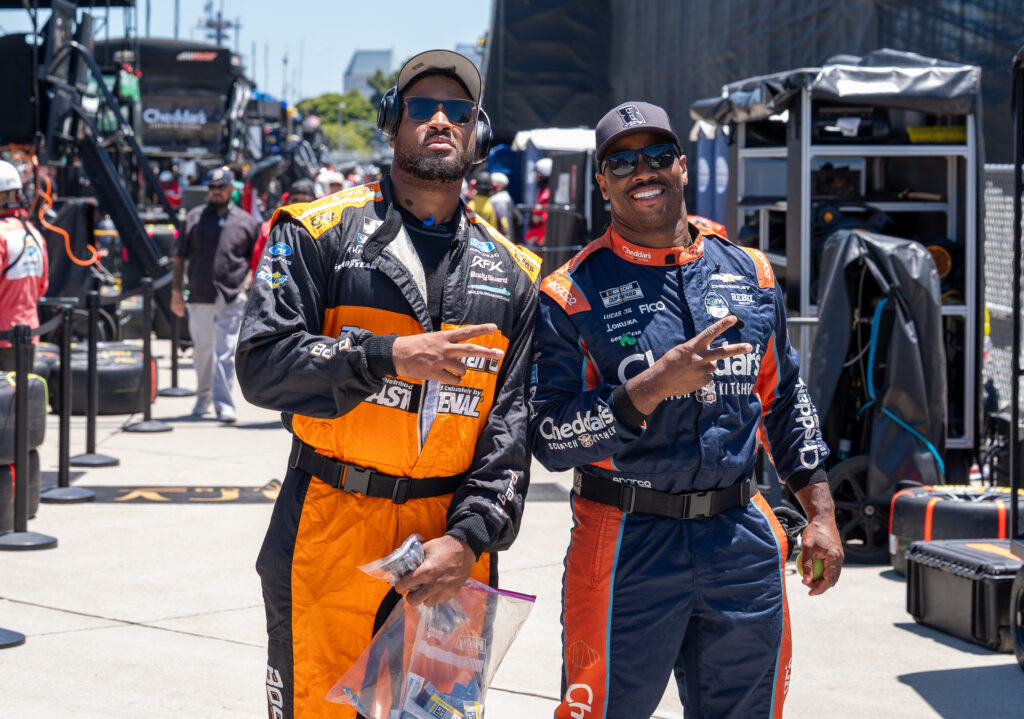
Beyond the drivers, however, were the men and women working throughout the garage and along pit road, including Black crew members performing essential roles in preparing cars and keeping their teams competitive.
For fans watching from the grandstands, a pit stop can be over almost as quickly as it begins. Behind those few seconds are training, preparation and teamwork.
Tire changers, tire carriers, fuelers and jackmen each have specific responsibilities that must be completed quickly and accurately. One mistake can cost valuable track position, while a well-executed stop can make a difference in a team’s race.
That preparation begins long before a car reaches pit road. Equipment must be organized, tires prepared and each crew member ready to perform when the driver enters the pit stall.
The athleticism required was especially noticeable in person. Changing tires or operating a jack during a competitive stop requires strength, speed, coordination and precision, with crew members moving around the car in seconds.
For Black crew members, working in those highly visible positions also showed fans another side of NASCAR.
Motorsports extends far beyond the person behind the steering wheel. Every car represents a larger organization of people responsible for preparing, maintaining and supporting it throughout a race weekend.
Many of the physical skills required on pit road can transfer from traditional athletics. Speed, strength, coordination, communication and the ability to perform under pressure are valuable whether competing on a field or working around a race car.
That creates another potential path into motorsports for young athletes who may never have considered racing as a career.
Becoming a driver isn’t the only way into NASCAR. Opportunities throughout the sport include pit crews, mechanics, engineering, communications, photography, media and other specialized positions.
NASCAR’s arrival in San Diego gave local fans an opportunity to see those jobs up close.
For photographers covering the weekend, pit road offered a story different from the action on the course. Crew members waiting for their cars, hands gripping tires and teams suddenly springing into motion provided a closer look at the concentration required behind the scenes.
Black crew members were part of that visual story—not as ceremonial participants, but as professionals with specific responsibilities and teams depending on their performance.
That distinction is important.
Representation carries greater meaning when spectators can see people actively contributing to competition. In Coronado, fans had an opportunity to see Black professionals working within NASCAR in roles where preparation and execution directly affected their teams.
The location added another dimension to the weekend.
Bringing NASCAR to Naval Air Station North Island placed motorsports inside a setting closely connected to San Diego’s military community. The surroundings reinforced themes familiar to both environments: preparation, teamwork, discipline and precision.
For spectators accustomed to seeing NASCAR primarily through television coverage, experiencing a race weekend in person also revealed how much activity happens away from the driver’s seat.
The cars may command attention when they are on the course, but a race weekend depends on people working throughout the garage, pit road and team areas.
For young fans, seeing that environment firsthand can broaden their understanding of what a career in motorsports can look like.
That visibility can be especially significant for Black children and young athletes who may not traditionally picture themselves working in NASCAR. Seeing Black professionals performing specialized roles at a major racing event provides a tangible example of opportunities that exist beyond driving.
It also shifts attention toward the people whose names rarely appear in race results.
Crew members don’t receive the same recognition as drivers, but their work can influence what happens on the track. Every tire change, adjustment and pit stop is part of a larger team effort.
During NASCAR’s weekend in Coronado, those contributions were visible throughout pit road.
For San Diego, the event offered more than the sound, speed and spectacle of racing. It provided a closer look at the people responsible for making the competition possible.
Among them were Black crew members preparing equipment, handling tires and performing under the pressure of competition.
Their presence offered an important perspective on a sport that reaches well beyond its drivers.
NASCAR’s weekend on Coronado Island gave fans a chance to look past the cars and recognize the professionals working around them.
For the Black crew members on pit road, the story was ultimately about more than visibility. It was about being part of the team, doing the job and contributing when every second counted.